
Lipid Disorder
Hypercholesterolemia
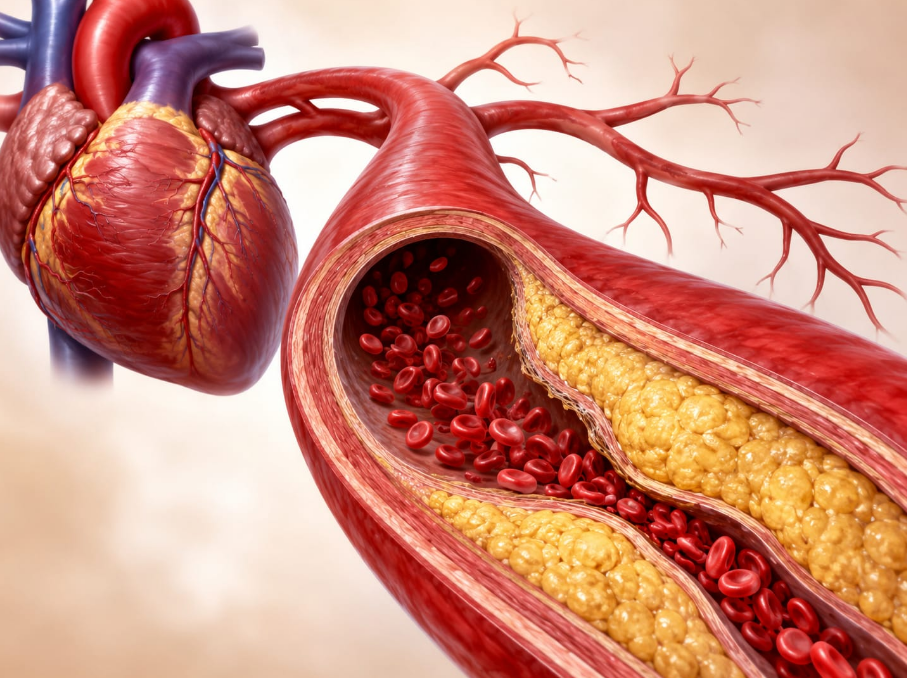
Hypercholesterolemia means the cholesterol level in the blood is higher than normal, especially LDL cholesterol, commonly called “bad cholesterol.” High cholesterol usually causes no symptoms, but over time it can silently build up inside blood vessels and increase the risk of heart attack, stroke, and circulation problems. It may happen due to family history, unhealthy diet, excess weight, lack of exercise, smoking, diabetes, obesity, thyroid disease, kidney or liver disease, PCOS, menopause, metabolic syndrome, or certain medicines.
Evaluation is done with a lipid profile, which includes total cholesterol, LDL, HDL, triglycerides, and sometimes non-HDL cholesterol or ApoB. In selected patients, Lipoprotein(a), or Lp(a) may also be checked. Lp(a) is a genetically determined cholesterol-related particle that can increase the risk of early heart disease, stroke, and aortic valve disease. It is especially useful to test when there is a strong family history of premature heart disease, heart attack at a young age, or unexplained high cardiovascular risk.
Lifestyle changes such as weight control, regular exercise, avoiding smoking, reducing fried foods, bakery foods, trans fats, processed foods, and excess saturated fats, and increasing fibre-rich foods can help lower cholesterol. Some patients need medicines such as statins, ezetimibe, bempedoic acid, PCSK9 inhibitors such as evolocumab or alirocumab, or inclisiran, depending on LDL level, diabetes, heart risk, family history, previous heart disease, stroke, or high Lp(a). PCSK9 inhibitors are injectable medicines usually given once every 2 weeks or once monthly, while inclisiran is a newer cholesterol-lowering injection given initially, again at 3 months, and then once every 6 months.
Cholesterol medicines are generally safe when used correctly and can significantly reduce heart attack and stroke risk. Regular monitoring and long-term follow-up are important because cholesterol treatment is aimed at lifelong heart and blood vessel protection.

Hypertriglyceridemia
Hypertriglyceridemia means the triglyceride level in the blood is higher than normal. Triglycerides are a type of fat in the blood, different from cholesterol. Mild to moderate elevation may not cause symptoms, but it can increase the risk of fatty liver, diabetes-related complications, and heart disease. Very high triglycerides, especially above 500 mg/dL and more seriously above 1000 mg/dL, can increase the risk of pancreatitis, which may cause severe abdominal pain and vomiting.
Common causes include obesity, diabetes or poor sugar control, insulin resistance, fatty liver, hypothyroidism, kidney or liver disease, PCOS, metabolic syndrome, alcohol intake, excess sweets, fruit juices, soft drinks, refined carbohydrates, and some medicines such as steroids, estrogen tablets, retinoids, beta-blockers, diuretics, and certain HIV medicines. In some people, high triglycerides can run in families.
Evaluation usually includes a fasting lipid profile, sugar or HbA1c, thyroid test, liver and kidney function, and other tests when needed. Treatment includes weight loss, good diabetes control, regular walking or exercise, avoiding alcohol, and reducing sugar, sweets, fruit juices, soft drinks, bakery foods, fried foods, and refined carbohydrates. Medicines such as fibrates, omega-3 fatty acids, statins, or icosapent ethyl may be used depending on triglyceride level and heart risk. Icosapent ethyl is a purified EPA medicine that may help reduce cardiovascular risk in selected high-risk patients with raised triglycerides despite statin treatment.
Very high triglycerides with pancreatitis, severe abdominal pain, vomiting, uncontrolled diabetes, or very high sugar levels may need hospital care. In such emergencies, IV insulin infusion may be used under close monitoring to rapidly reduce triglycerides, especially when severe hypertriglyceridemia is associated with uncontrolled diabetes or pancreatitis. Regular monitoring and long-term lifestyle care help reduce the risk of pancreatitis, fatty liver, and heart disease.