

Insulin Resistance
Insulin resistance means the body has insulin, but the insulin is not working effectively. Because of this, the pancreas has to produce more insulin to keep blood sugar normal. Over time, this can lead to prediabetes, type 2 diabetes, fatty liver, PCOS, obesity, high triglycerides, and metabolic syndrome. HOMA-IR is a simple blood test calculation used to estimate insulin resistance using fasting glucose and fasting insulin.
Formula:
HOMA-IR = Fasting insulin × Fasting glucose / 405 when glucose is in mg/dL.
A higher HOMA-IR suggests higher insulin resistance, but the cut-off can vary depending on the lab, population, and clinical situation. [Matthews DR, et al. Diabetologia. 1985]

Type 1 DM
Type 1 diabetes can be very worrying for parents, especially when they first hear that their child needs insulin. In this condition, the pancreas makes very little insulin, which can be checked with C-peptide levels; low C-peptide means low insulin reserve. Some antibody tests like GAD-65, IA-2, ZnT8, ICA, and insulin antibodies may help confirm type 1 diabetes. The good news is that with modern treatment, children with type 1 diabetes can study, play, travel, take part in sports, and live active lives. Insulin is essential, but it can now be given through insulin pens or insulin pumps, making treatment more flexible and reducing injection burden. Inhaled insulin may reduce mealtime injections in selected adults, though it is not routinely used in children. Many successful people, including Wasim Akram, Kamal Haasan, Sonam Kapoor, Samantha Ruth Prabhu, Anil Kumble, and Nick Jonas, have shown that type 1 diabetes need not stop anyone from achieving great things. [ISPAD Clinical Practice Consensus Guidelines; ADA Standards of Care in Diabetes; Ly TT, et al. JAMA. 2013]

Young-Onset Diabetes Mellitus
Young-onset diabetes mellitus means diabetes diagnosed in children, teenagers, or young adults. It is important to identify the correct type because diabetes in young people is not always the same. It may be type 1 diabetes, type 2 diabetes, MODY or genetic diabetes, LADA, pancreatic diabetes, steroid-induced diabetes, mitochondrial diabetes, lipodystrophy-related diabetes, syndromic diabetes, or diabetes related to obesity, insulin resistance, fatty liver, PCOS, or strong family history. Some patients may have symptoms such as excessive thirst, frequent urination, weight loss, tiredness, blurred vision, recurrent infections, or poor wound healing, while others may be detected during routine testing.
Evaluation may include fasting sugar, post-meal sugar, HbA1c, urine or blood ketones, C-peptide, diabetes autoantibodies, lipid profile, liver and kidney function, and selected tests based on clinical clues. Genetic testing may be considered when diabetes occurs at a young age with strong family history, lean body habitus, negative antibodies, preserved C-peptide, deafness, neurological features, developmental problems, short stature, abnormal fat distribution, severe insulin resistance, fatty liver, high triglycerides, or features suggesting MODY, mitochondrial diabetes, lipodystrophy, or syndromic diabetes. Correct classification is very important because some young patients need insulin urgently, especially in type 1 diabetes or ketoacidosis, while others may be managed with lifestyle changes, tablets, specific medicines, or insulin-sensitising therapy. Some MODY patients may not need insulin after correct diagnosis.
Treatment includes healthy eating, portion control, adequate protein and fibre, regular exercise, strength training, good sleep, weight management when needed, sugar monitoring, and prevention of low sugar. CGMS or insulin pump therapy may help selected patients. Regular screening of eyes, kidneys, nerves, feet, BP, cholesterol, fatty liver, and associated hormone or genetic complications is important because complications can occur earlier in young-onset diabetes. With correct diagnosis, proper treatment, education, and long-term follow-up, young people with diabetes can study, work, exercise, travel, marry, plan pregnancy safely, and live a normal active life.
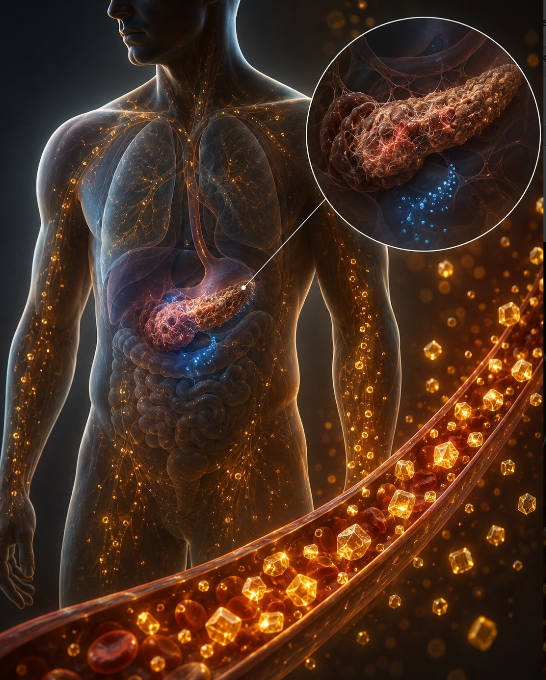
Pancreatic Diabetes Mellitus
Pancreatic diabetes mellitus, also called type 3c diabetes, happens when the pancreas is damaged and cannot produce enough insulin. It is different from type 1 and type 2 diabetes and may occur after chronic pancreatitis, repeated acute pancreatitis, pancreatic surgery, pancreatic cancer, cystic fibrosis, or other pancreatic diseases. Patients may have high sugar symptoms such as excessive thirst, frequent urination, tiredness, weight loss, or blurred vision, but they may also have poor digestion, loose or oily stools, bloating, abdominal pain, malnutrition, or vitamin deficiencies due to pancreatic exocrine insufficiency.
Diagnosis is based on diabetes tests such as fasting sugar, post-meal sugar, HbA1c, and sometimes C-peptide, along with history of pancreatitis, pancreatic surgery, alcohol use, weight loss, abdominal pain, or pancreatic imaging such as ultrasound, CT, MRI, MRCP, or EUS when needed. Pancreatic diabetes can be difficult to manage because patients may have both high sugars and frequent low sugars, especially when food intake is poor or insulin is used.
Treatment includes regular meals, adequate calories and protein, avoiding alcohol and smoking, careful sugar monitoring, and prevention of low sugars. Many patients may need insulin, while selected patients may use tablets such as metformin depending on the situation. Pancreatic enzyme capsules may be needed if digestion is poor, and vitamins A, D, E, and K may require monitoring or supplementation. Diabetes medicines should be chosen carefully in pancreatic disease. CGMS can help detect sugar fluctuations and hidden low sugars. Regular follow-up is important to monitor sugar control, nutrition, weight, bone health, vitamins, and diabetes complications affecting the eyes, kidneys, nerves, feet, heart, and blood vessels.

Gestational Diabetes Mellitus
Gestational diabetes mellitus (GDM) means high blood sugar detected during pregnancy. With timely care, most mothers can have a healthy pregnancy and healthy baby. If sugars stay high, GDM can increase the baby’s risk of excess birth weight, difficult delivery, low sugar after birth, breathing problems, and future obesity or diabetes risk. For the mother, it can increase the risk of high blood pressure, preeclampsia, caesarean delivery, and future type 2 diabetes. Diet changes and regular walking/exercise can control sugars in nearly 70–85% of women, while only some may need medicines. Metformin can be a safe insulin-free option in selected women, and insulin is needed when fasting or post-meal sugars remain high despite diet, exercise, or metformin. In most GDM cases, insulin is stopped after delivery. [Reference: ACOG Practice Bulletin No. 190. Obstet Gynecol. 2018.]
Diabetes Complications
Diabetes can silently affect the kidneys, eyes, and liver, even when a patient feels well. Simple regular screening helps detect these problems early. UACR urine test and serum creatinine/eGFR help check kidney health, while 24-hour urine protein is used in selected cases. A regular fundus eye examination helps detect diabetic retinopathy early; if needed, treatments like laser therapy, anti-VEGF injections, or vitrectomy can protect vision, along with good sugar control. Fatty liver is also common in diabetes and obesity; screening may include liver tests, ultrasound, FIB-4 score, and FibroScan to assess liver fat and stiffness. [Reference: ADA Standards of Care in Diabetes; KDIGO Diabetes & CKD Guideline; AASLD NAFLD/MASLD Practice Guidance.]

Diabetic Neuropathy
Diabetic neuropathy means nerve damage caused by diabetes. High sugar levels over time can injure the nerves, especially in the feet and legs. Common symptoms include burning feet, tingling, numbness, pins-and-needles sensation, electric shock-like pain, pain at night, reduced sensation, poor balance, or weakness. Loss of sensation is important because small injuries, shoe bites, cracks, or wounds may go unnoticed and can lead to foot ulcers, infection, or even amputation if ignored.
Diabetes can also affect nerves that control the stomach, bladder, heart, blood pressure, and sexual function. This is called autonomic neuropathy and may cause dizziness on standing, stomach fullness, vomiting, constipation, diarrhea, bladder problems, or erectile dysfunction.
Evaluation may include foot examination, monofilament testing, vibration testing or biothesiometry, and nerve conduction study when needed. Vitamin B12 should also be checked in selected patients, especially those taking metformin, because B12 deficiency can worsen nerve symptoms. Other causes such as thyroid disease, kidney disease, alcohol use, or vitamin deficiencies may also need evaluation.
Good sugar control, regular exercise, foot care, proper footwear, and avoiding barefoot walking help prevent worsening. Medicines such as pregabalin, duloxetine, gabapentin, or amitriptyline may reduce burning pain, but they mainly control symptoms and do not replace sugar control and foot protection. Warning signs such as wounds, swelling, redness, pus, blackening, severe pain, or fever should be shown urgently. With early detection, regular foot checks, and proper treatment, serious complications of diabetic neuropathy can often be prevented.
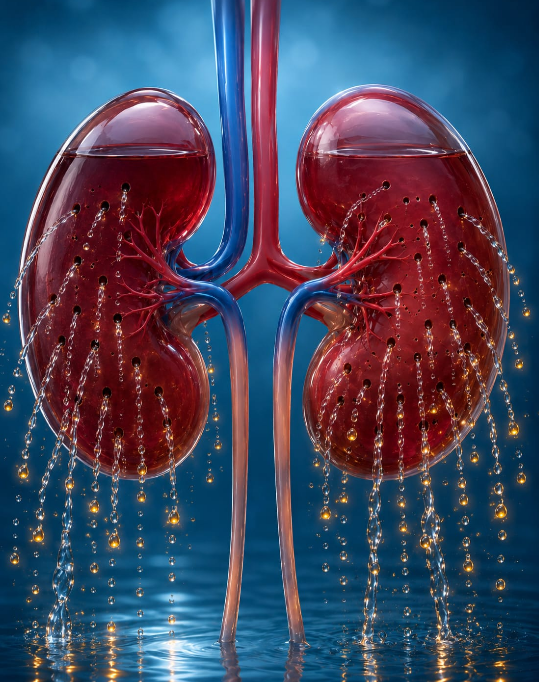
Diabetic Kidney Disease
Diabetic kidney disease, also called diabetic nephropathy, means kidney damage caused by diabetes. It can happen silently without symptoms in the early stages, so regular screening is very important. Early signs may include protein leak in urine, frothy urine, swelling of feet or face, or high BP. Tests such as urine albumin-creatinine ratio, serum creatinine, eGFR, and sometimes 24-hour urinary protein help detect and monitor kidney damage. Kidney screening is usually advised at diagnosis in type 2 diabetes and after a few years in type 1 diabetes.
Good sugar control, BP control, salt reduction, healthy diet, regular exercise, and avoiding unnecessary painkillers can help protect the kidneys. Medicines such as ACE inhibitors or ARBs, SGLT2 inhibitors like empagliflozin or dapagliflozin, finerenone in selected patients with persistent albumin/protein leak, and GLP-1 medicines may help reduce kidney and heart risk. Protein intake may need adjustment depending on kidney function. Dehydration, infections, contrast scans, and some medicines can worsen kidney function, so regular monitoring is important. With early detection, proper treatment, and follow-up, diabetic kidney disease progression can often be slowed and dialysis risk reduced.
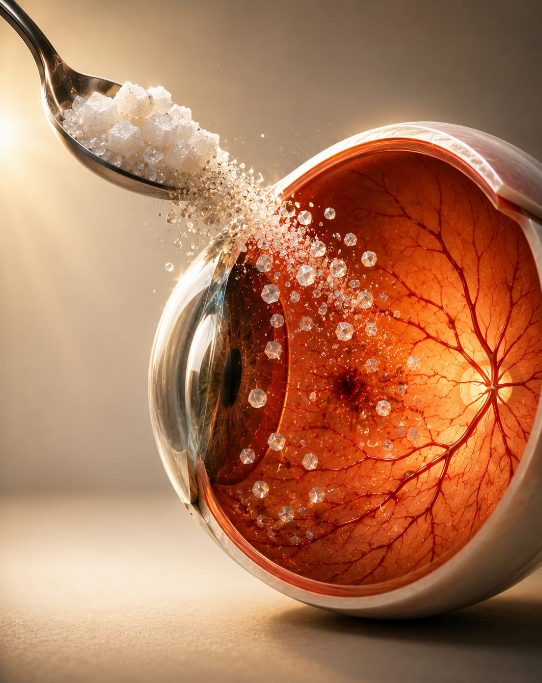
Diabetic Retinopathy
Diabetic retinopathy is an eye complication of diabetes where high sugar levels damage the small blood vessels of the retina, the light-sensitive layer at the back of the eye. It may occur without symptoms in the early stages, so regular eye screening is very important. Some patients may notice blurred vision, changing vision, floaters, dark spots, or sudden vision loss. If ignored, diabetic retinopathy can progress and may even lead to blindness.
The risk is higher with long duration of diabetes, poor sugar control, high BP, high cholesterol, kidney disease, pregnancy, and smoking. People with type 2 diabetes should have an eye check-up at diagnosis, while people with type 1 diabetes usually start screening after a few years. Eye evaluation may include dilated fundus examination, retinal photography, OCT scan, or other tests when needed.
Good control of sugar, BP, cholesterol, kidney health, and smoking avoidance can reduce the risk of progression. Treatment depends on the stage and may include laser treatment, anti-VEGF eye injections, steroid injections in selected cases, or vitrectomy surgery for advanced disease. Warning symptoms such as sudden vision loss, new floaters, dark curtain-like vision, or severe blurring should be checked urgently. With regular screening, early treatment, and good diabetes control, serious vision loss can often be prevented.

Diabetic Foot Wounds
Diabetic foot problems are preventable when detected early. Diabetes can reduce foot sensation and blood circulation, so even a small crack, corn, blister, or shoe bite may become a serious wound if ignored. Regular foot screening with tests like biothesiometer/monofilament for nerve function and Doppler/ABI for blood flow helps identify risk early. Treatment focuses on good sugar control, wound care, infection treatment, pressure relief/offloading, proper footwear, and blood-flow assessment. Warning signs such as redness, swelling, pus, foul smell, blackening of toes, severe pain, fever, rapidly spreading infection, or tight painful swelling need urgent care, as they may indicate cellulitis, gangrene, NSTI, or compartment syndrome. Early treatment and proper offloading can help heal wounds faster and reduce the risk of amputation. [References: IWGDF Guidelines 2023; IWGDF/IDSA Diabetic Foot Infection Guideline 2023.]

Anti-diabetic Drugs
Diabetes medicines other than insulin are chosen based on each patient’s sugar levels, age, weight, kidney function, liver status, heart health, pregnancy status, lifestyle, food habits, and risk of low sugar. Starting medicines does not mean failure; it means the body needs support to keep sugars safe and protect long-term health. Different medicines have different benefits: metformin improves insulin resistance, is usually weight-neutral, and rarely causes low sugar; SGLT2 inhibitors can help protect the heart and kidneys in suitable patients; GLP-1 medicines and tirzepatide can improve sugar control, support weight loss, and offer heart-metabolic benefits; and DPP-4 inhibitors are generally well tolerated, weight-neutral, and useful when low-sugar risk needs to be low. Some older medicines such as sulfonylureas are effective and affordable but may cause low sugar or weight gain, especially if meals are delayed, while pioglitazone may cause weight gain or fluid retention and is usually avoided in heart failure. In kidney disease, metformin can be used if eGFR is ≥30, with dose reduction when eGFR is 30–44, and linagliptin is often convenient because it usually does not need dose adjustment. In liver disease, medicine choice depends on severity, so safer options are selected carefully. Medicines may sometimes be reduced if sugars improve with weight loss and lifestyle changes, but they should not be stopped suddenly; during fasting, fever, vomiting, surgery, pregnancy, or poor food intake, some medicines may need temporary adjustment. With the right choice, monitoring, and follow-up, diabetes medicines are safe, effective, and can help protect the eyes, kidneys, nerves, heart, and brain. [Reference: ADA Standards of Care. Diabetes Care. 2025]

Insulin
Insulin is a safe and effective treatment used when the body is not making enough insulin or when tablets are not enough to control blood sugar. Starting insulin does not mean failure and does not mean diabetes has become hopeless; it simply helps bring sugars into a safer range and protects the eyes, kidneys, nerves, heart, and brain from the effects of uncontrolled diabetes. Insulin can be used temporarily during pregnancy, infections, surgery, very high sugars, or steroid use, and in some people it may be reduced or stopped later depending on the type of diabetes and sugar control. Modern insulin pens, fine needles, pumps, and proper injection techniques make insulin much less painful and easier to use. The main precautions are taking the right dose at the right time, rotating injection sites, storing insulin properly, monitoring sugars, and knowing how to treat low sugar. With correct guidance, insulin users can travel, exercise, attend school, fast safely in selected cases, and live active, confident lives. [Reference: ADA Standards of Care. Diabetes Care. 2025]
SGLT2 Inhibitors
SGLT2 inhibitors have transformed diabetes care by going beyond blood sugar control. Medicines such as empagliflozin, dapagliflozin, and canagliflozin help remove excess glucose through urine, but their major advantage is their proven role in heart and kidney protection in suitable patients. They are especially useful in people with type 2 diabetes, chronic kidney disease, heart failure, or high cardiovascular risk. They may also help with mild weight loss and blood pressure reduction. With proper medical guidance, hydration, hygiene, and sick-day advice, SGLT2 inhibitors can be an important part of modern, organ-protective diabetes treatment. [Reference: Zinman B, et al. N Engl J Med. 2015]
GLP-1 Agonists
GLP-1 receptor agonists such as semaglutide, dulaglutide, tirzepatide and liraglutide are transforming diabetes care because they do more than lower sugar. They help the body release insulin only when glucose is high, reduce appetite, slow stomach emptying, and support significant weight loss. In many suitable patients with type 2 diabetes, they may help delay or avoid insulin, especially when started early along with lifestyle changes. They also have evidence for heart protection, and newer data suggest benefits for kidney and fatty liver/metabolic liver disease in selected patients. Weekly injections such as semaglutide and dulaglutide have made treatment more convenient. Major guidelines now include GLP-1 medicines as important options in people with type 2 diabetes, obesity, or cardiovascular risk.
Most patients tolerate GLP-1 medicines well when started at a low dose and increased gradually. Mild nausea, fullness, acidity, constipation, or loose stools can occur initially, but these often improve with time and proper diet advice. They are not insulin, do not usually cause low sugar when used alone, and should be taken only under medical supervision. In India, newer affordable semaglutide options are becoming available after patent expiry, which may improve access, but patients should use only approved brands prescribed by their doctor. [Reference: Marso SP, et al. N Engl J Med. 2016;375:311–322. Gerstein HC, et al. Lancet. 2019;394:121–130. ADA Standards of Care in Diabetes 2026.]

CGMS
CGMS, or Continuous Glucose Monitoring System, is a small sensor-based device that records glucose levels throughout the day and night. Unlike a glucometer, which shows sugar only at one particular moment, CGMS shows sugar trends, post-meal spikes, night-time lows, hidden hypoglycemia, and glucose fluctuations over several days.
CGMS is useful for people with type 1 diabetes, type 2 diabetes, gestational diabetes, patients on insulin, those with repeated low sugars, hypoglycemia unawareness, reactive hypoglycemia, dumping syndrome, or unexplained sugar fluctuations. It helps patients understand how food, exercise, sleep, stress, medicines, and insulin affect their sugar levels.
The CGMS report gives important information such as time in range, time above range, time below range, glucose variability, and average glucose estimate. These details help the doctor adjust diet, medicines, insulin dose, meal timing, and exercise plans more accurately. CGMS does not completely replace HbA1c or glucometer testing, but it gives a much clearer picture of daily sugar patterns. With proper interpretation and follow-up, CGMS can help improve sugar control, reduce hypoglycemia, and support safer diabetes management.

Insulin Pump
An insulin pump is a small device that gives insulin through a tiny cannula placed under the skin, helping many patients reduce the need for multiple daily injections. It gives insulin continuously throughout the day and allows extra insulin at mealtimes, making diabetes care more comfortable, flexible, and precise.
It can be especially useful for people with type 1 diabetes, pancreatic diabetes, frequent low sugars, wide sugar fluctuations, or fear of repeated injections. Modern pumps with SmartGuard / automated insulin delivery technology can work with a glucose sensor and automatically adjust insulin delivery every few minutes, giving more insulin when sugar is rising and reducing or stopping insulin when sugar is falling. This can help improve time-in-range and reduce both high and low sugars.
Patients usually do not need to visit the hospital every time for cannula change. After proper training, the cannula can usually be changed at home by the patient or caregiver. Some patients may initially feel uncomfortable wearing a pump, but most get used to it within a few days to weeks. The pump is small, can be worn discreetly under clothes, and can be managed during sleep, travel, exercise, bathing, or social events with simple precautions. Regular follow-up, glucose monitoring, and a backup insulin plan remain important. [Reference: McVean J, Miller J. Expert Rev Med Devices. 2021]

Glucometer
A glucometer helps patients check blood sugar at home with a small finger-prick sample. With modern lancing devices and fine lancets, testing is quick and usually causes only mild discomfort; using the side of the fingertip and changing lancets regularly can make it more comfortable. Home readings may not exactly match laboratory RBS, because glucometers use capillary blood and have an accepted accuracy range, so small differences are expected. SMBG is most useful when done in a structured way: patients on insulin may check fasting, before meals, 2 hours after meals, bedtime, and whenever low sugar is suspected. [Polonsky WH, et al. Diabetes Care. 2011]

Diabetic Diet
Millets
Millets are healthy traditional grains and can be a good part of a diabetes diet when used properly. They usually have more fibre and nutrients than refined grains, and may help reduce sudden blood sugar spikes. However, millets are still carbohydrate-containing foods, so they should not be eaten in unlimited quantities. Better options include millet upma with vegetables, millet khichdi with dal, millet pongal, ragi/jowar/bajra roti with vegetable curry, and millet dosa or idli with sambar. Millets are best eaten in controlled portions along with vegetables, dal, pulses, curd, or other protein-rich foods. [Reference: Anitha S, et al. Front Nutr. 2021;8:687428]
Fruits
Fruits can be eaten in diabetes, but choose whole fruits, not juices, and keep the portion small. It is better to eat fruits between meals and pair them with nuts, plain curd, seeds, paneer, sprouts, or unsweetened peanut butter. Avoid fruit juices, milkshakes, sugar, honey, jaggery, ice cream, sweetened curd, and large fruit portions at night. [Reference: Muraki I, et al. BMJ. 2013]
Chapati
Chapati can be eaten in diabetes, but it should be taken in the right quantity. It should be eaten with vegetable curry, dal, pulses, curd, paneer, egg, fish, or chicken. Better choices include whole-wheat chapati, mixed-grain chapati, besan-mixed chapati, methi/palak chapati, or high-fibre atta chapati. [Reference: Radhika G, et al. Br J Nutr. 2010]
Coconut Water
Coconut water is a natural drink containing vitamins, minerals, electrolytes, and natural sugar. It should not be taken in large amounts by people with diabetes. People with kidney disease or high potassium should avoid or limit it unless advised by their doctor. [Reference: Preetha PP, et al. Food Funct. 2012]
Curd
Curd can be included in a diabetes diet, but it should be plain and unsweetened. Avoid sweet curd, flavoured yogurt, packaged yogurt drinks, sweet lassi, and curd mixed with sugar or jaggery. [Reference: Chen M, et al. BMC Med. 2014]
Jaggery and Honey
Honey and jaggery may be natural, but they are still sugar-containing foods and can raise blood glucose. Replacing white sugar with honey or jaggery does not make sweets, laddus, payasam, chikki, or desserts diabetes-friendly. Other natural sweeteners such as palm sugar, brown sugar, coconut sugar, date syrup, maple syrup, and fruit syrups should not be used as regular sugar substitutes. [Reference: Sadeghi F, et al. Int J Prev Med. 2019; Bahrami M, et al. Int J Food Sci Nutr. 2009]
Artificial Sweeteners
Artificial sweeteners like sucralose, stevia, aspartame, saccharin, and acesulfame-K can be used occasionally and in moderation. It is better to reduce the habit of adding sweetness rather than depending too much on sugar-free tablets, diet drinks, or “diabetic sweets.” [Reference: WHO. Use of non-sugar sweeteners: WHO guideline. 2023]
Low-GI Rice
Low-GI rice varieties such as Telangana Sona, Chittimallelu, RNR15048, pressure parboiled rice, Swarna rice, and high-resistant-starch rice may raise blood sugar more slowly than regular polished white rice. They are still carbohydrate-rich foods, so quantity matters. Rice should be eaten in smaller portions with dal, vegetables, curd, pulses, paneer, egg, fish, chicken, or other protein-rich foods. [References: Shobana S, et al. Int J Food Sci Nutr. 2012; Rathinasabapathi P, et al. Sci Rep. 2015; Tan LL, et al. Front Nutr. 2022]
Brown Rice
Brown rice may be better than polished white rice because it keeps the bran layer, which adds fibre and nutrients. Its blood sugar effect depends on milling and cooking. It is best eaten in a small portion with dal, vegetables, curd, pulses, or protein foods. [Reference: HM, et al. Br J Nutr. 2015]
Basmati Rice
Certain basmati rice varieties, such as thermally treated basmati rice, may raise blood sugar more slowly than regular polished white rice. They should still be eaten in small portions with protein-rich foods. [Reference: Srinivasa D, et al. J Assoc Physicians India. 2013]
Red Rice and Black Rice
Red rice and black rice may contain more fibre, nutrients, and antioxidant pigments than polished white rice. They are still rice, so they should be eaten in small portions with dal, vegetables, curd, pulses, or protein foods. [Reference: Mendoza-Sarmiento D, et al. Curr Nutr Rep. 2023;12:797–812]
Oats
Oats contain beta-glucan, a fibre that slows digestion and may support sugar and cholesterol control. Choose plain oats, rolled oats, or steel-cut oats in controlled portions with nuts, seeds, plain curd, unsweetened milk, or protein-rich foods. Avoid instant flavoured oats, sweet porridge, oat biscuits, cookies, and packaged sweet oat snacks. [References: Chen V, et al. Nutrients. 2022; Zurbau A, et al. Eur J Clin Nutr. 2021]

Intermittent Fasting
Intermittent fasting may help selected people with type 2 diabetes, mainly by reducing calorie intake, weight, and insulin resistance. But it is not suitable for everyone, especially patients on insulin or sulfonylureas, type 1 diabetes, pregnancy, recurrent hypoglycemia, or acute illness. [Reference: Corley BT, et al. Diabet Med. 2018]

Hypoglycemia
Hypoglycemia means blood sugar is lower than normal. It is common in people taking insulin or certain diabetes tablets such as sulfonylureas, but it can also occur with delayed meals, missed meals, fasting, vomiting, alcohol intake, exercise, kidney disease, liver disease, adrenal or pituitary hormone problems, reactive hypoglycemia, or rarely insulinoma. Common symptoms include sweating, shaking, hunger, palpitations, anxiety, weakness, dizziness, headache, blurred vision, or confusion. Severe low sugar can cause abnormal behaviour, fainting, seizures, or coma and needs urgent care.
During a low sugar episode, fast-acting glucose should be taken immediately, such as glucose tablets, sugar, or a sweet drink. The sugar level should be rechecked after 15 minutes, and treatment repeated if it remains low. Chocolate or high-fat sweets are not ideal because they act slowly. Patients at risk should carry glucose while travelling, avoid skipping meals, check sugars before driving or exercise, and adjust medicines if lows happen repeatedly. CGMS can help detect hidden or night-time low sugars. Recurrent, severe, fasting, or unexplained hypoglycemia should be evaluated with proper tests and specialist care.

Diabetes Reversal / Remission
Many people feel worried when they are diagnosed with diabetes mellitus. In some people with type 2 diabetes, remission may be possible, especially when the pancreas still has good insulin-producing capacity. This can be checked with a post-meal C-peptide blood test. Studies such as the DiRECT trial show that, in suitable patients, sustained weight loss of around 10–15 kg or more can improve the chances of diabetes remission. [Reference: Lean MEJ, et al. Lancet Diabetes Endocrinol. 2019]